.png)
.png)
.png)
Remote Patient Monitoring 101: What It Is, How It Works, and Why Your Practice Needs It
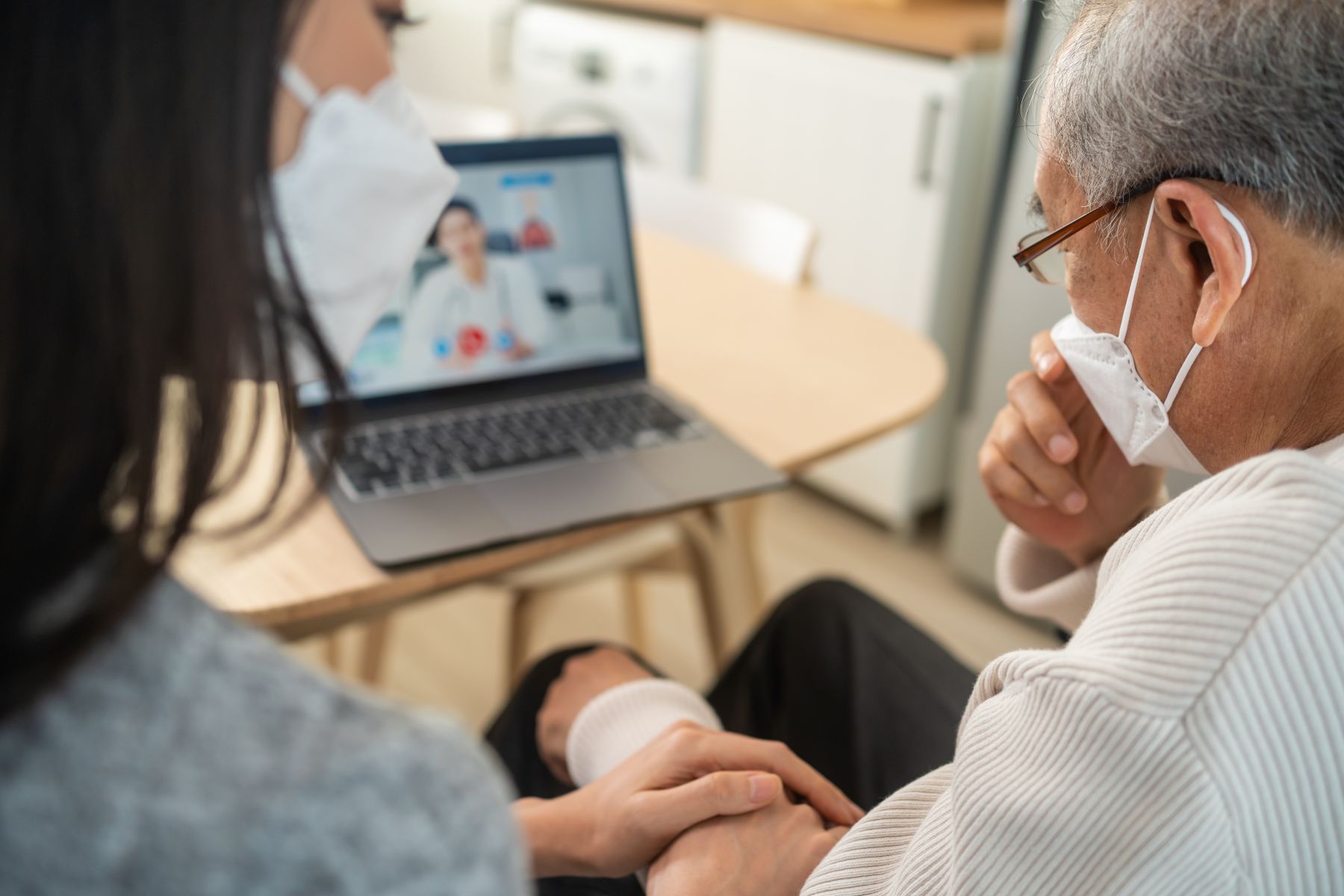
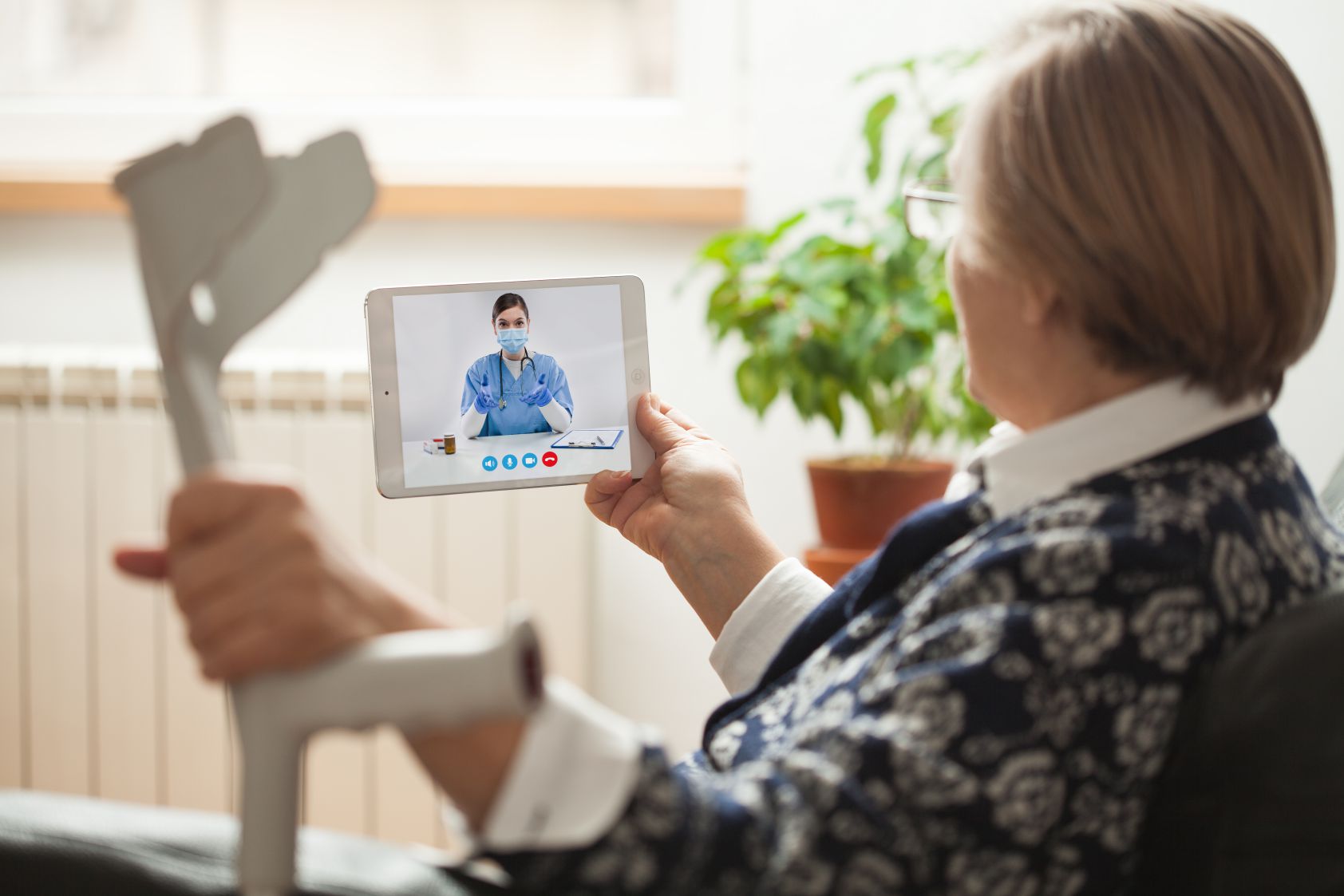
Remote Patient Monitoring (RPM) is a healthcare delivery model that uses connected digital tools to collect patient health data outside traditional clinical settings and transmit it to providers for assessment and intervention.
In simple terms, RPM healthcare enables clinicians to monitor patients remotely using patient monitoring devices such as wearables, mobile apps, and home-based medical equipment. These tools capture real-time patient data like blood pressure, glucose levels, or heart rate, supporting proactive care.
As telehealth monitoring evolves, remote health monitoring is becoming a foundational component of value-based care and population health management.
How Remote Patient Monitoring Works
Understanding how remote patient monitoring works is critical for successful implementation. Below is a step-by-step breakdown optimized for clinical workflows:
Device Setup
Providers supply patients with connected health devices such as blood pressure cuffs, glucometers, pulse oximeters, or wearable health technology. These devices are pre-configured to sync with RPM software for healthcare providers.
Patient Onboarding
The RPM onboarding process for patients includes education on device usage, consent documentation, and enrollment into remote patient monitoring programs. Clear instructions reduce drop-off and improve adherence.
Data Transmission
Devices automatically transmit data via Bluetooth, cellular networks, or Wi-Fi to a centralized patient monitoring system healthcare platform. This ensures continuous digital health monitoring without manual input.
Clinical Review
Care teams review incoming data through dashboards integrated with EHR systems. Alerts flag abnormal readings, enabling timely intervention. This step is essential in chronic care remote monitoring.
Key Benefits of RPM for Healthcare Providers
Remote patient monitoring solutions for clinics deliver measurable clinical and financial benefits. According to the Centers for Medicare & Medicaid Services (CMS), RPM supports improved outcomes while reducing costs.
A 2022 McKinsey report found that up to 25% of Medicare patients are eligible for RPM, highlighting its scalability. Additionally, the CDC reports that chronic diseases account for 90% of U.S. healthcare spending, making RPM a critical tool.
Impact Overview
RPM services for providers also improve operational efficiency by reducing unnecessary visits and optimizing care team workload.
Common Use Cases
Remote patient monitoring examples in healthcare span multiple specialties and care models:
- Chronic disease management: Diabetes, hypertension, and heart failure monitoring
- Post-discharge care: Reducing readmissions after surgery or hospitalization
- Elderly care: Supporting aging populations with continuous monitoring
- Behavioral health: Tracking medication adherence and vital signs
- Preventive care: Early detection of health deterioration
Telehealth remote patient monitoring is especially valuable in rural or underserved areas where access to care is limited.
RPM Devices and Technology Explained
Patient monitoring devices are the backbone of any RPM program. These include:
- Blood pressure monitors
- Glucose meters
- Weight scales
- ECG monitors
- Pulse oximeters
Modern digital health monitoring platforms integrate these devices with EHR systems, enabling healthcare interoperability. Many of the best remote patient monitoring platforms in the USA also include AI-driven analytics, patient engagement tools, and automated alerts.
When evaluating remote patient monitoring vendors in the US, prioritize HIPAA-compliant remote patient monitoring solutions that support secure data transmission and scalable integration.
CMS Guidelines and Reimbursement for RPM
CMS remote patient monitoring reimbursement has made RPM financially viable for providers. Understanding Medicare RPM billing guidelines is essential.
Key CPT Codes (2026)
CMS requires at least 16 days of data collection per 30-day period for billing eligibility.
RPM software for healthcare providers must support accurate documentation, time tracking, and compliance with CMS guidelines for remote patient monitoring.
According to CMS data, RPM adoption has grown rapidly, with utilization increasing by more than 1,300% between 2019 and 2023, reflecting strong reimbursement incentives.
How to Implement RPM in Your Practice
Implementing remote patient monitoring programs requires strategic planning and workflow alignment. Key steps include:
- Define target patient population (e.g., chronic care patients)
- Select a HIPAA-compliant RPM platform
- Choose appropriate patient monitoring devices
- Train clinical and administrative staff
- Establish a patient enrollment process for RPM programs
- Integrate with EHR systems
- Monitor performance and optimize workflows
Successful RPM services for providers depend on seamless integration into existing clinical workflows and strong patient engagement strategies.
Challenges and How to Overcome Them
Despite its benefits, RPM healthcare comes with challenges:
- Patient adherence issues: Address through education and engagement tools
- Technology barriers: Use simple, user-friendly devices
- Data overload: Implement automated alerts and AI prioritization
- Reimbursement complexity: Invest in billing expertise or automation tools
- Integration gaps: Choose platforms with strong EHR integration
Overcoming these barriers ensures long-term sustainability and ROI.
Future of Remote Patient Monitoring
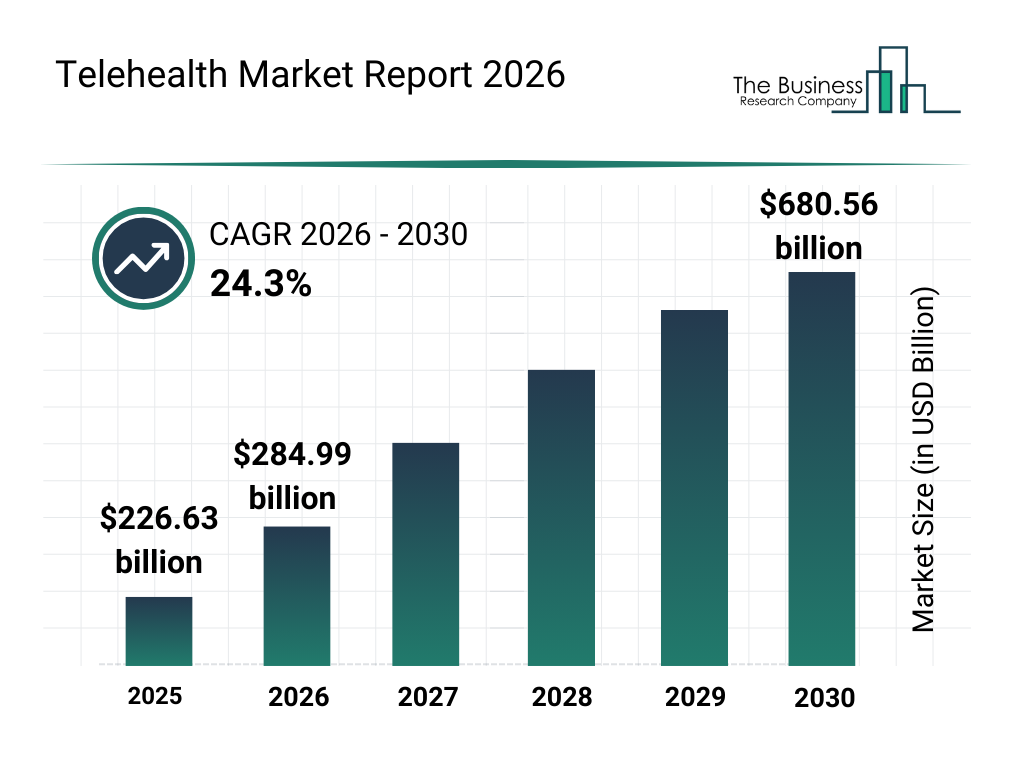
The future of remote patient monitoring is closely tied to advancements in digital health monitoring and value-based care.
A HIMSS report suggests that RPM will play a central role in population health management, as adoption of wearable health technology and AI-driven insights increases. Adoption trends show a steep upward curve post-2020, driven by telehealth expansion and regulatory support.
Emerging innovations include predictive analytics, continuous monitoring devices, and deeper healthcare interoperability. These advancements will further position RPM as a core component of modern healthcare delivery.
For providers, the question is no longer why remote patient monitoring is important, but how quickly it can be implemented to stay competitive.



.png)