.png)
.png)
.png)
Remote Patient Monitoring for Chronic Conditions: Top 5 use cases

Introduction
Chronic diseases such as diabetes, cardiovascular conditions, and respiratory disorders are the leading causes of death and disability worldwide. According to the World Health Organization (WHO), chronic diseases account for 74% of global deaths (WHO, 2023).
Traditional care models built around periodic visits often fail to detect early warning signs or support long-term adherence. This gap contributes to avoidable hospitalizations and rising healthcare costs. Remote patient monitoring for chronic conditions is emerging as a data-driven approach to continuous care.
Collecting real-time health data outside clinical settings enables earlier intervention, better patient engagement, and more informed decision-making. However, its impact varies depending on the condition being managed.
What Is Remote Patient Monitoring in Chronic Care?
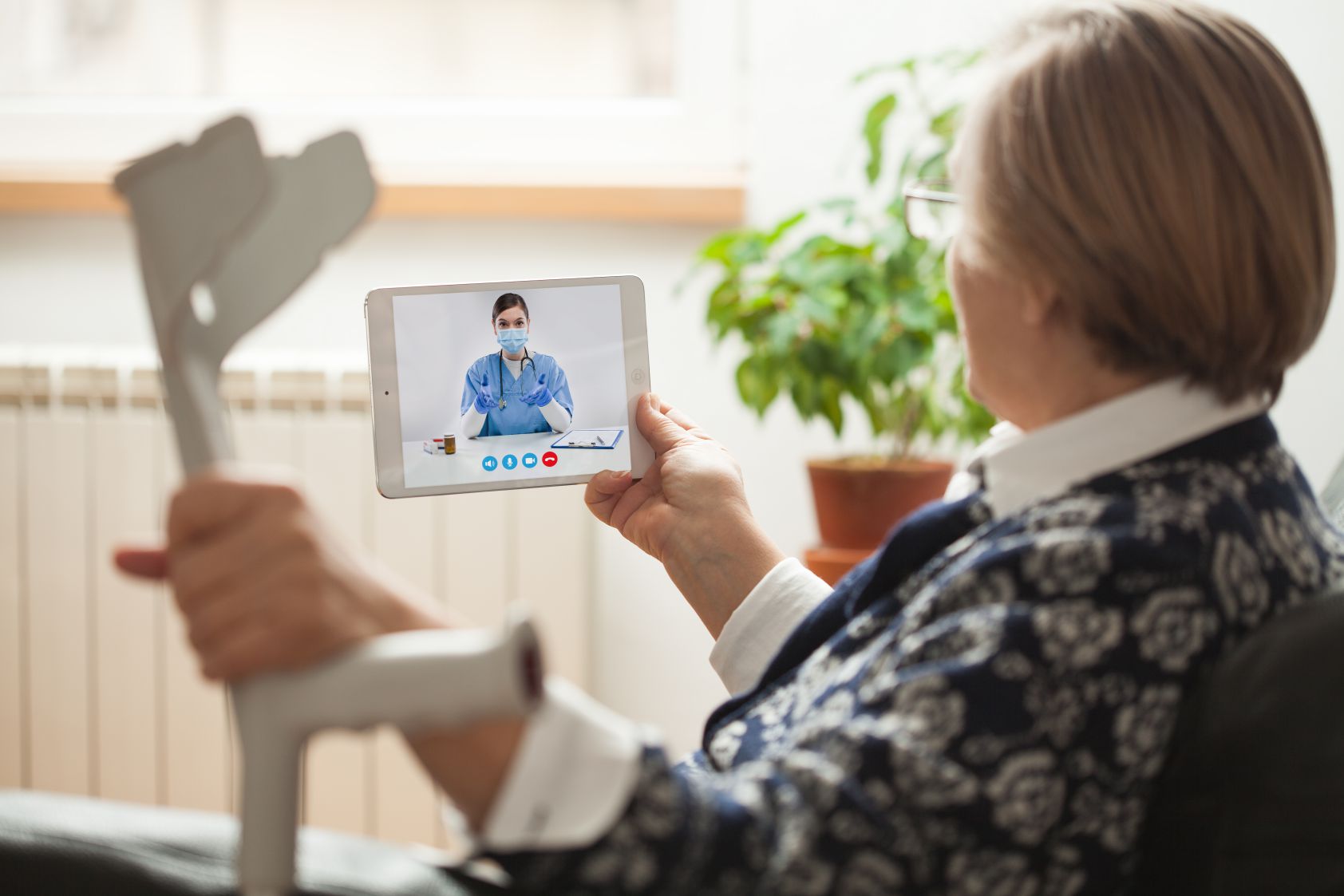
Remote patient monitoring (RPM) refers to the use of connected medical devices and digital tools to collect and transmit patient health data to healthcare providers. These systems typically track:
- Blood glucose levels
- Blood pressure
- Heart rate and ECG
- Oxygen saturation
- Physical activity
RPM is often integrated into chronic care management (CCM) programs, supporting continuous oversight rather than episodic treatment. According to the Centers for Medicare & Medicaid Services (CMS), RPM enables physiologic data collection and interpretation, with data digitally stored and transmitted by the patient (CMS, 2026).
Why RPM Works for Chronic Disease Management
Chronic conditions require consistent monitoring and behavioral adherence. RPM addresses both. Key reasons RPM is effective:
- Continuous data flow replaces intermittent check-ups
- Early detection of deterioration enables timely intervention
- Improved adherence through reminders and feedback loops
- Enhanced care coordination across providers
This shift aligns with value-based care models focused on outcomes rather than volume.
Top 5 Chronic Conditions That Benefit from Remote Patient Monitoring
1. Diabetes
Diabetes management depends heavily on consistent glucose monitoring and lifestyle adherence.
RPM enables:
- Continuous or remote blood glucose monitoring
- Alerts for hyperglycemia or hypoglycemia
- Data-driven insulin and medication adjustments
A study in Diabetes Care found that remote monitoring reduced HbA1c levels by 0.5% to 1.0%, a clinically meaningful improvement.
Outcome: Improved glycemic control and reduced emergency visits.
2. Hypertension (High Blood Pressure)
Hypertension is often asymptomatic but remains a major risk factor for stroke and heart disease.
RPM supports:
- Daily home blood pressure tracking
- Early identification of dangerous spikes
- Medication adherence monitoring
Outcome: Reduced cardiovascular risk and better long-term control.
3. Heart Disease
Patients with cardiovascular conditions require close monitoring, especially after hospital discharge. A report by the American College of Cardiology found RPM reduced hospital readmissions for heart failure patients by up to 38%.
RPM tools track:
- Heart rate variability
- ECG patterns
- Symptoms linked to heart failure
Outcome: Early detection of complications and fewer readmissions.
4. COPD (Chronic Obstructive Pulmonary Disease)
COPD is characterized by unpredictable exacerbations that often lead to hospitalization.
RPM enables:
- Oxygen saturation monitoring
- Respiratory rate tracking
- Alerts for early signs of flare-ups
Outcome: Fewer exacerbations and improved symptom management.
5. Obesity and Weight Management
Obesity requires long-term behavioral change rather than short-term intervention.
RPM supports:
- Activity and calorie tracking
- Behavioral insights and feedback
- Continuous engagement with care teams
Outcome: Better adherence to lifestyle changes and long-term weight control.
Comparison Table: RPM Impact Across Chronic Conditions
Key Benefits of Remote Patient Monitoring
Remote patient monitoring benefits extend beyond individual conditions and impact overall healthcare delivery.
Clinical Benefits
- Early detection of complications
- Reduced hospital readmissions
- Improved treatment adherence
Operational Benefits
- Better resource allocation
- Scalable patient monitoring
- Data-driven clinical decisions
How Healthcare Providers Use RPM Systems
Healthcare providers integrate RPM into clinical workflows using:
- EHR-integrated dashboards for centralized data
- Automated alerts for abnormal vitals
- Patient engagement tools such as apps and reminders
- Clinical decision support systems
These systems allow providers to prioritize high-risk patients and intervene proactively rather than reactively.
Challenges and Considerations
Despite its benefits, RPM adoption presents challenges:
- Data overload due to large volumes of patient data
- Patient compliance with device usage and engagement
- Limited access to digital tools for some populations
Addressing these issues requires thoughtful implementation, training, and patient education.
Conclusion
Remote patient monitoring for chronic conditions represents a fundamental shift in how long-term care is delivered. By enabling continuous monitoring, early intervention, and improved patient engagement, RPM addresses key limitations of traditional healthcare models. Evidence across multiple conditions, including diabetes, heart disease, and COPD, demonstrates measurable improvements in outcomes and cost efficiency. As healthcare systems continue to prioritize value-based care, RPM is becoming an essential component of effective chronic disease management.
FAQs
1. What is remote patient monitoring for chronic conditions?
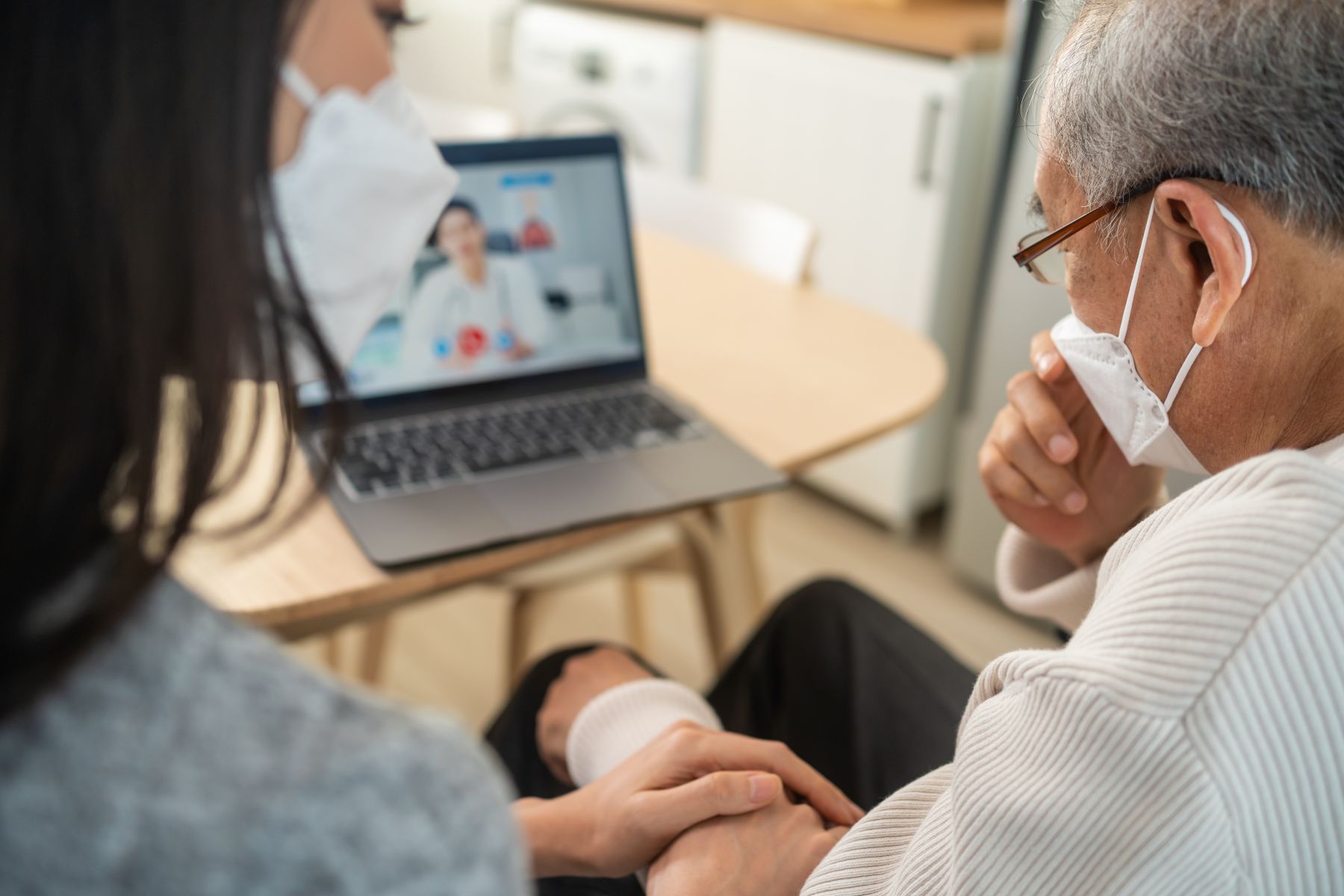
Remote patient monitoring for chronic conditions is a healthcare approach that uses connected devices to track patient health data such as blood pressure, glucose levels, and heart rate in real time. This allows healthcare providers to monitor patients remotely and intervene early when needed.
2. How does remote patient monitoring improve chronic disease management?
Remote patient monitoring improves chronic disease management by enabling continuous data tracking, early detection of complications, and better patient adherence. It helps providers make timely decisions based on real-time health data rather than relying solely on periodic visits.
3. What conditions qualify for remote patient monitoring?
Common conditions that qualify for remote patient monitoring include diabetes, hypertension, heart disease, COPD, and obesity. These conditions benefit most from ongoing monitoring and proactive care.
4. Is remote patient monitoring effective for chronic diseases?
Yes, remote patient monitoring is highly effective for chronic diseases. Studies show it can reduce hospital readmissions, improve patient outcomes, and enhance treatment adherence through continuous monitoring and timely interventions.
5. What are the main benefits of remote patient monitoring in healthcare?
The key benefits of remote patient monitoring include:
- Real-time health data monitoring
- Early detection of health issues
- Reduced hospital admissions
- Improved patient engagement
- Cost savings for healthcare providers
6. How do healthcare providers use remote patient monitoring systems?
Healthcare providers use remote patient monitoring systems through dashboards, EHR integrations, and alert systems. These tools help track patients' vital signs, identify high-risk patients, and support data-driven clinical decisions.



.png)